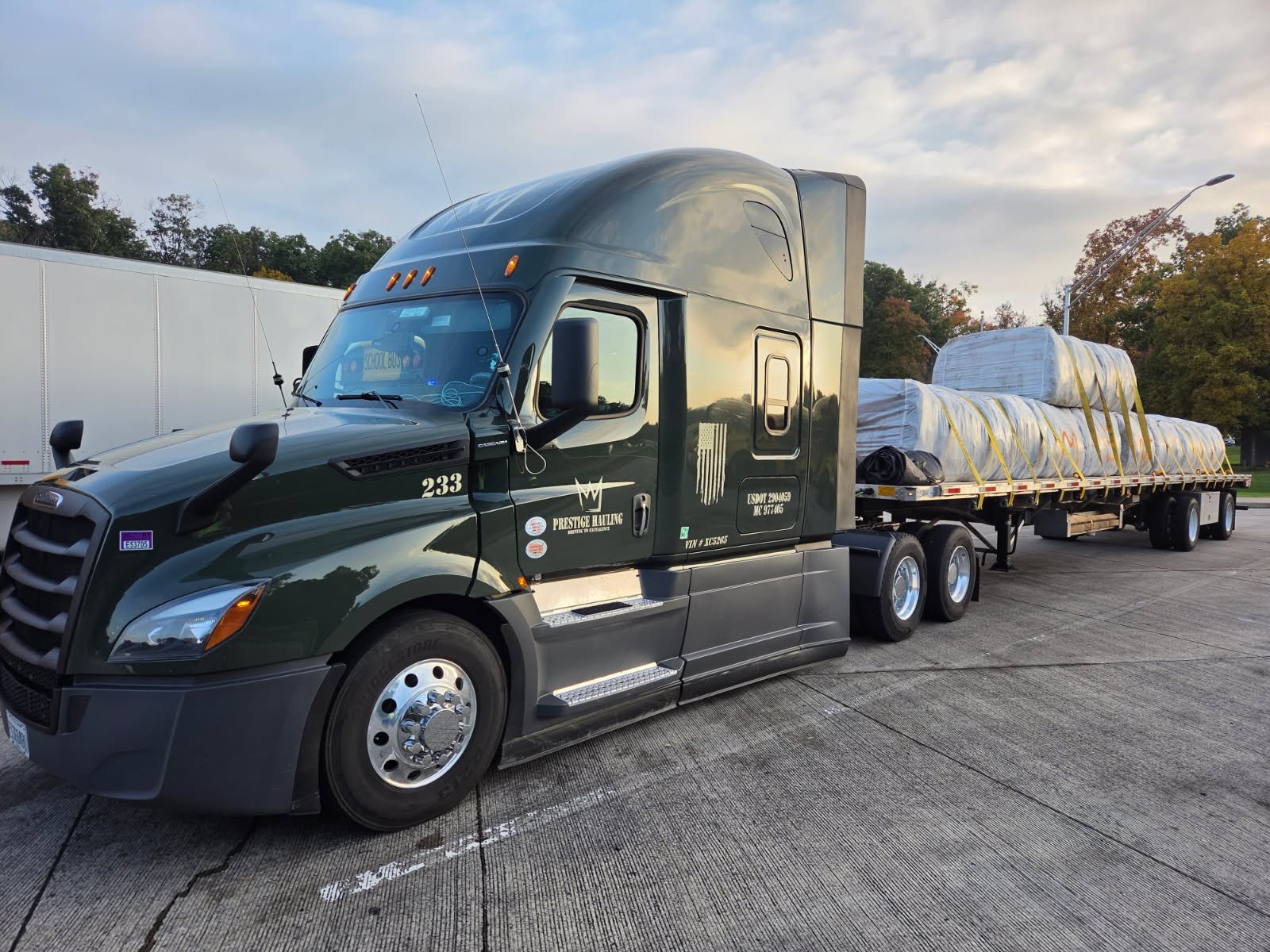
Flatbed Tarp Pay: What Drivers Can Earn and How It Works
You have driven several hours, picked up your load, and secured the freight. Now the shipper tells you the load needs tarps before you can leave. You climb onto the trailer, pull heavy tarps across the cargo, secure the edges, and check the tie-downs. If the wind picks up or rain starts falling, a job that already takes considerable effort can become even harder.
And you may not be getting paid for every minute you spend doing it.
For flatbed drivers, tarping is part of the work that happens after the freight is loaded. It protects cargo from weather, road debris, and other conditions that could damage the shipment during transit. Depending on the load, the job might require a lightweight lumber tarp or a heavier steel tarp that takes considerably more effort to position and secure.
The important question is how your carrier compensates you for that additional work.
Some trucking companies offer a separate tarp pay rate for qualifying loads. Others include tarping in their overall compensation structure or use different payment arrangements depending on the customer, freight, and equipment involved. The amount you receive can also depend on whether the load requires one tarp, multiple tarps, or specialized protection.
Understanding the pay structure matters when you are comparing trucking jobs or trying to work out why two loads with similar mileage can produce very different earnings.
A load that looks good on paper might become less attractive if it requires an extra hour of unpaid labor at the shipper or receiver. Before accepting a flatbed position, it pays to understand exactly how the company handles tarping, detention, and other accessorial payments.
What is flatbed tarp pay and how does it work?
Flatbed tarp pay is additional compensation a trucking company pays a driver for covering a load with tarps. It recognizes the extra labor involved in protecting freight before the truck heads out. For drivers who haul steel, lumber, machinery, or other weather-sensitive materials, that payment can make a noticeable difference to weekly earnings.
A driver might receive a set payment for tarping a load of lumber. A load that does not require tarps would not qualify for that additional payment, even if the driver still needs to secure the freight with chains, straps, or other equipment.
It is also important to understand what the payment covers. Does it apply when you tarp the load at pickup, or can you receive another payment if the shipment requires additional tarping at a different location? Are multiple tarps on one shipment considered one tarped load? These details can affect your earnings, so ask your recruiter or dispatcher before assuming every tarping task earns a separate payment.
How a per-load payment affects your earnings
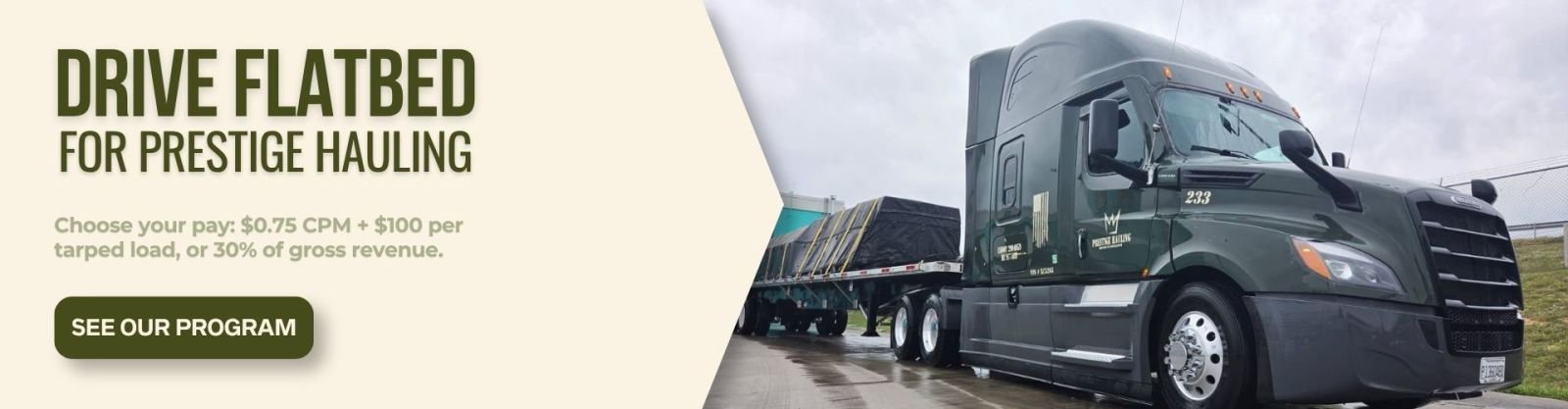
We pay $0.75 per mile plus $100 per tarped load, so let’s use this example of how mileage pay and additional compensation can work together.
Actual pay depends on the miles you run, the number of qualifying loads you tarp, and the terms of your driver agreement.
You should look beyond the mileage rate when comparing flatbed jobs. A slightly higher rate per mile does not automatically mean a better paying position if another carrier offers meaningful additional compensation for the work its drivers perform.
Before accepting a position, ask for a clear explanation of the pay structure, including tarp payments, detention, layover, and any other applicable accessorial pay. Knowing how each component works makes it easier to estimate what you could earn in a typical week.
What do carriers typically pay for tarping?
Flatbed tarp pay varies considerably between trucking companies. One carrier might offer a fixed payment for every qualifying tarped load, while another may use different rates depending on the freight or the work involved. The amount also depends on the company's customer agreements and how tarping is handled within its overall driver compensation package.
You should be careful when comparing rates advertised by different carriers. A payment that sounds generous may come with specific eligibility rules, while another company's lower rate might apply to a different type of load or tarping requirement.
For that reason, there is no single industry wide rate that every flatbed driver can expect to receive. Published job advertisements can provide useful examples, but the carrier's current pay agreement is the best source for understanding what you will actually earn.
Flatbed tarp pay examples
The following shows how different payment arrangements affect a driver's earnings. They are hypothetical examples, not verified industry averages.
|
Payment arrangement |
Example rate |
Earnings for 5 qualifying loads |
|
Lower per load payment |
$50 |
$250 |
|
Midrange example |
$75 |
$375 |
|
Higher per load payment |
$100 |
$500 |
These figures show how quickly additional compensation can add up over a week. However, a higher payment per load does not automatically make a job more profitable. You also need to consider the time required to tarp each load, your mileage rate, the number of loads available, and whether you are paid for other delays.
For example, earning $100 for a load that takes 30 minutes to tarp is a different proposition from earning the same amount when the work takes two hours in heavy rain. Both loads generate the same payment, but the time commitment is very different.
“Want to learn more about driving for Prestige Hauling? Visit our Company Driver Program page to see our advertised pay and contact our team about current opportunities.”
What affects how much you earn for tarping?
Two flatbed loads can require very different amounts of work. Covering a straightforward lumber load on a calm day is not the same as securing an awkward piece of machinery when the wind keeps catching the tarp. Yet some carriers pay the same fixed amount for both jobs.
Understanding what affects your workload helps you judge whether a carrier's compensation makes sense for the freight you will be hauling.
The type of freight you haul
The cargo itself plays a major role in determining how much work is involved. Lumber loads often require large tarps that cover the entire stack, while steel products may need specialized steel tarps designed to protect the cargo from moisture. Machinery and irregularly shaped freight can require extra attention because the cover must fit around the load without leaving exposed areas or creating unsafe loose sections.
Some shipments also require multiple tarps. A larger load can mean more material to handle, more edges to secure, and more time spent checking that everything is properly covered.
Before taking a job, find out what kind of freight the carrier typically moves. A company that regularly hauls tarped materials may offer more opportunities to earn additional compensation, but the physical demands can also be greater.
Tarp weight and equipment
Not all tarps are equally easy to handle. A lightweight lumber tarp can be challenging enough when it is large and awkward to position. Heavy steel tarps can be considerably more demanding, particularly when you need to move them across a wide load.
The condition of your equipment matters, too. Damaged straps, worn bungee cords, difficult tarp storage systems, or poorly maintained trailer equipment can make the job take longer than necessary.
Good equipment does not eliminate the physical work, but it can make tarping more manageable. Drivers should inspect their tarps and securing equipment regularly and report damaged items before they become a safety problem.
Weather and working conditions
Wind can turn a routine tarping job into a difficult task. A large tarp catches the wind like a sail, making it harder to control and increasing the risk of losing your footing or having the material pull away unexpectedly.
Rain creates additional problems because wet surfaces become slippery. In cold weather, tarps and securing equipment can become stiff and difficult to handle. Extreme heat brings its own challenges, particularly when you are working on top of a trailer with limited shade.
These conditions can add time and physical strain without increasing a fixed per load payment. That is one reason drivers should consider working conditions alongside the advertised rate.
Never take unnecessary risks to finish a tarping job quickly. Follow the carrier's safety procedures, use appropriate fall protection where required, and avoid handling large tarps in conditions that make the task unsafe.

Time spent at the shipper or receiver
Tarping can affect more than your immediate workload. It can also delay your departure, interfere with your planned driving schedule, and reduce the time available for your next load.
Suppose a load requires an extra hour of tarping after you have already waited for loading to finish. If your compensation is based on a fixed per load payment, that extra hour may not generate any additional tarp pay.
Ask your carrier how it handles detention and other delays. Flatbed tarp pay and detention pay are not necessarily the same thing, and one payment should not be assumed to cover the other.
The more clearly you understand these policies, the easier it becomes to assess whether a load is worth accepting and how it affects your overall earnings.
Looking for Flatbed Truck Driver Jobs?
At Prestige Hauling, we know flatbed driving takes skill, hard work, and attention to detail. That's why we want drivers to have a clear understanding of our advertised pay before they apply.
Our company driver program advertises $0.75 per mile plus $100 per qualifying tarped load. If you're an experienced CDL-A driver looking for a flatbed driving opportunity, we'd be happy to talk with you about the position and answer your questions.
Visit the Prestige Hauling Company Driver Program to learn more and contact our recruiting team about current openings.
We encourage you to ask questions, understand the pay terms, and make sure the job is right for you. We want drivers who know what to expect and feel confident about the opportunity they're choosing.
Frequently Asked Questions About Flatbed Tarp Pay
How much does Prestige Hauling pay per tarped load?
Prestige Hauling advertises $100 per qualifying tarped load, in addition to $0.75 per mile for company drivers. Contact our recruiting team to confirm the current pay terms and which loads qualify.
Do all flatbed loads require tarping?
No. It depends on the type of freight and the shipper's or customer's requirements. Some loads need tarps to protect the cargo, while others can be hauled without them.
Is tarp pay separate from mileage pay?
It depends on the trucking company. Some carriers pay an additional amount for each qualifying tarped load, while others use different pay arrangements. At Prestige Hauling, our advertised company driver pay includes $0.75 per mile plus $100 per qualifying tarped load.
How much extra can I make from tarp pay in a week?
It depends on how many qualifying loads you tarp. At $100 per load, five qualifying tarped loads would add $500 to your mileage earnings. This is an example, not a guarantee of how many tarped loads you'll receive in a week.
Is flatbed tarping hard work?
It can be. Handling large tarps, securing freight, and working in wind, rain, cold, or heat can be physically demanding. The amount of work depends on the load, the equipment, and the conditions.
What should I know before applying for a flatbed driving job?
Ask about mileage pay, tarp pay, typical miles, the type of freight you'll haul, and how the company handles detention and delays. At Prestige Hauling, our recruiting team can explain the advertised pay structure and answer questions about current openings.