Flatbed vs Dry Van: Pay, Work and Lifestyle
You finish loading, check your paperwork, and look at the miles ahead of you. But before you pull out of the shipper's yard, there is still work to do. If you're hauling flatbed freight, that might mean securing the load with straps or chains, checking the tie-downs, and putting tarps over the cargo if required. If you're hauling dry van freight, your work may involve checking the trailer, confirming the doors are secured, and getting ready for the trip.
Both jobs require skill, patience, and responsibility. The difference is what happens around the driving itself.
For drivers comparing flatbed vs dry van trucking, the decision often comes down to three things: how much you can earn, what the work demands physically, and what kind of lifestyle you want on the road.
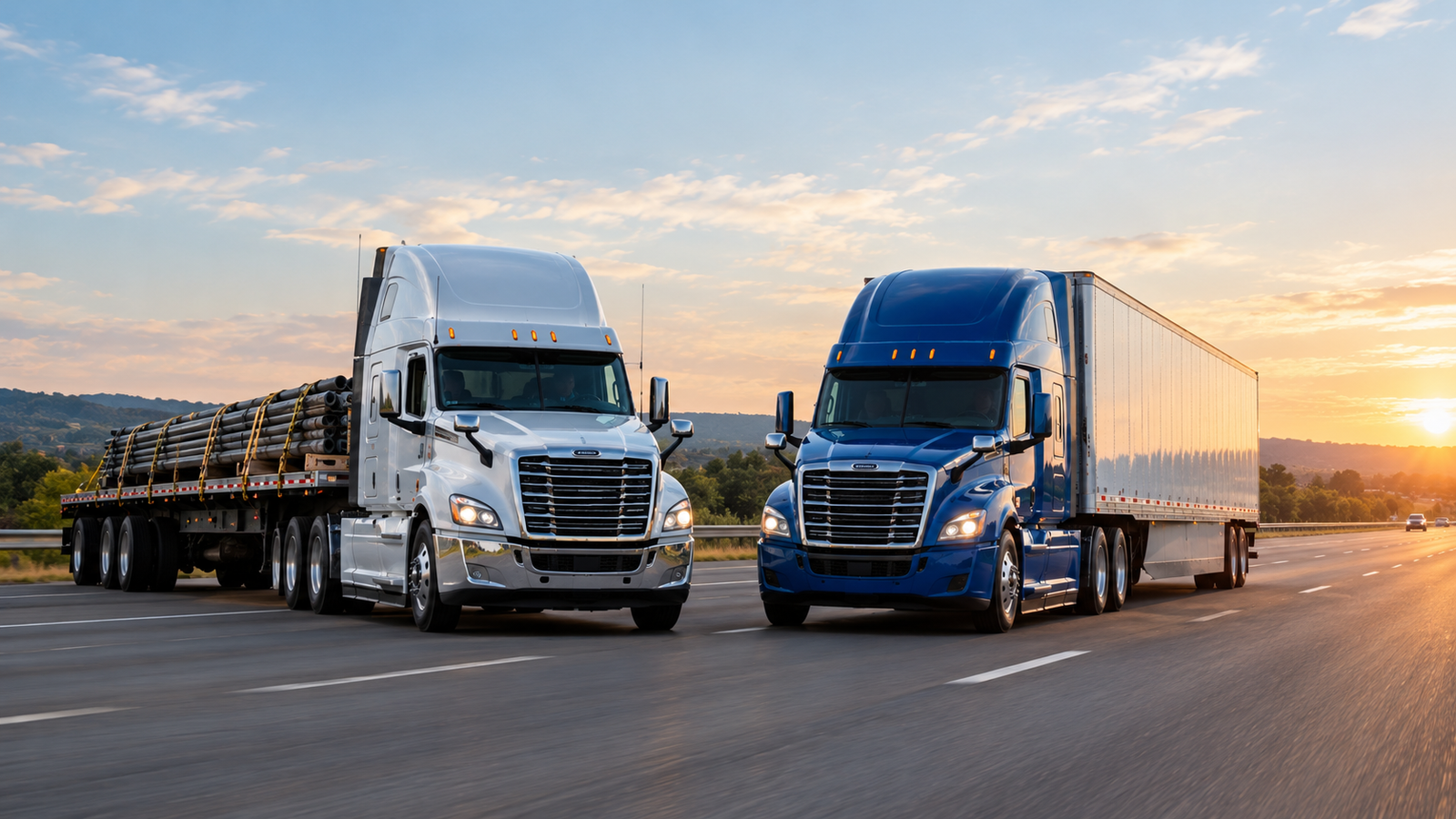
Flatbed drivers handle freight carried on an open trailer, including materials such as lumber, steel, construction supplies, and machinery. They must pay close attention to load securement and weather protection when required. Dry van drivers haul freight inside an enclosed trailer, commonly transporting palletized goods, packaged products, and general merchandise.
Neither option is automatically better for every driver. Some prefer the hands-on nature of flatbed work and the additional pay opportunities that may come with it. Others value the different loading procedures and working conditions associated with dry van freight.
The best choice depends on your experience, physical capabilities, income goals, preferred routes, and the carrier you work for. Looking at those factors together will give you a more realistic idea of what each job offers.
Flatbed vs dry van pay and earning potential
Pay is often the first thing drivers compare when deciding which type of trailer to pull. Flatbed positions can offer additional compensation for the physical work involved, but your actual earnings depend on the carrier, miles available, freight assignments, and the terms of your pay agreement.
Dry van drivers are commonly paid by the mile, although some positions offer hourly pay, salary, or additional compensation for stops and delays. Flatbed drivers may receive mileage pay plus separate payments for tarping or other qualifying work.
The important thing is to compare complete pay packages rather than focusing on one number in a job advertisement.
How flatbed drivers can earn more
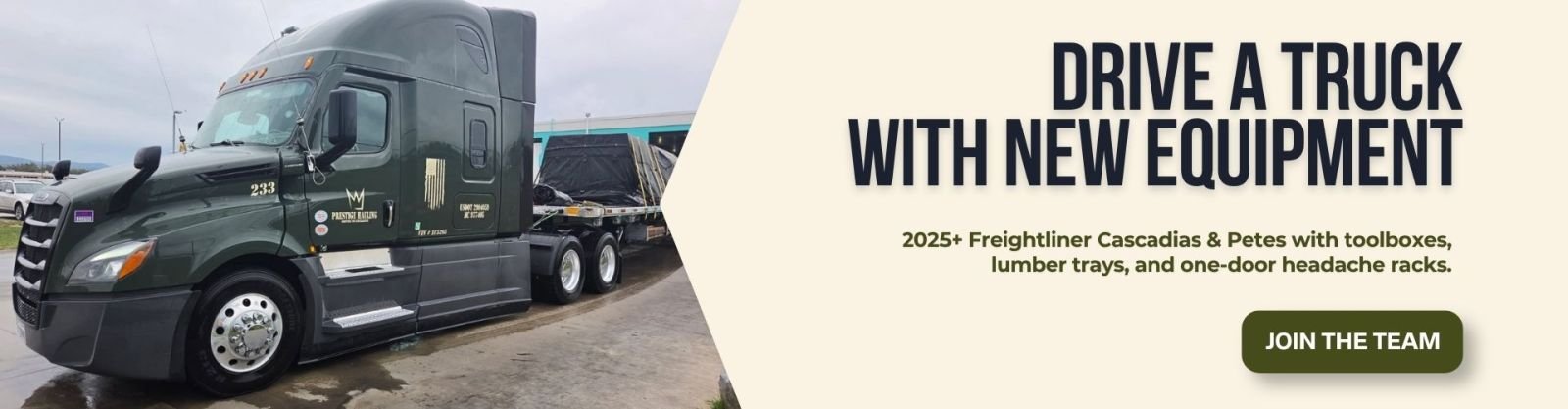
Flatbed drivers may earn additional compensation for the work involved in securing freight, handling specialized loads, and tarping cargo when required. This can make a difference to weekly earnings, especially for drivers who consistently run good mileage and handle multiple tarped loads.
When comparing flatbed jobs, look beyond the advertised cents per mile. Ask about average weekly miles, tarp pay, detention pay, and any other additional compensation the carrier offers.
For example, a driver who runs 3,000 paid miles in a week and receives $100 for each of five qualifying tarped loads could earn the following:
|
Pay component |
Calculation |
Weekly earnings |
|
Mileage pay |
3,200 × $0.80 |
$2,400 |
|
Tarp pay |
6 × $100 |
$600 |
|
Total gross pay |
Before other adjustments |
$3,000 |
This is an illustrative example, not a guaranteed salary or an industry wide average. Actual earnings depend on the carrier's mileage rate, available freight, qualifying tarped loads, and the terms of the driver's agreement.
The takeaway is simple: a flatbed position's earning potential depends on more than its mileage rate. Before accepting a job, understand how often you can expect to run, what additional work pays, and how much time that work requires.
What to consider with dry van pay
Dry van jobs can offer competitive earnings, particularly when a carrier provides consistent miles, dedicated routes, or regular access to paid additional work. Some positions involve frequent stops and customer appointments, while others focus on longer highway runs.
A dry van driver who receives steady miles and spends relatively little time waiting may earn more than a flatbed driver who encounters frequent delays or has fewer loads available. The reverse can also be true.
When comparing offers, ask about average weekly miles, detention pay, stop pay, bonuses, and how often drivers are kept moving between loads. Also confirm whether the advertised mileage rate applies to loaded miles only or includes empty miles.
Ultimately, the better-paying job is the one that provides a strong overall compensation package and a workload you can sustain.

The day-to-day work and physical demands
The biggest difference between flatbed and dry van trucking often becomes clear after you arrive at the shipper. Driving may take up most of your day, but what happens before departure and at delivery can look very different depending on the trailer you pull.
What flatbed drivers deal with
Flatbed drivers are responsible for making sure their freight is properly secured and protected when required. Depending on the load, that can mean positioning straps, tightening chains, installing edge protectors, checking anchor points, and covering cargo with tarps.
The work can be physically demanding. Tarps are bulky, chains are heavy, and securing awkwardly shaped freight takes attention and experience. You may also need to climb onto the trailer or access designated securement points, following the proper safety procedures.
Weather adds another challenge. Wind can make tarping difficult, rain can create slippery surfaces, and summer heat can make outdoor work exhausting. Even an experienced driver needs to allow enough time to secure the load correctly rather than rushing to get back on the highway.
There is a learning curve, especially for new flatbed drivers. You need to understand load securement requirements, recognize potential safety problems, and know when equipment or cargo needs another inspection before departure.
What dry van drivers deal with
Dry van trucking generally involves less direct exposure to weather during loading and unloading because the freight travels inside an enclosed trailer. Drivers still need to inspect their equipment, verify paperwork, and make sure the trailer is safe for the trip.
The actual loading process depends on the customer. Some shippers use loading docks and handle the freight themselves. Others require drivers to assist with certain tasks, operate equipment when authorized, or follow specific procedures before a trailer can leave the facility.
Dry van drivers can also spend considerable time waiting at warehouses, navigating busy distribution centers, and meeting strict appointment windows. Multi stop routes may involve checking paperwork and confirming deliveries at several locations.
It is not always an easy or physically effortless job. The demands simply tend to be different from those associated with open deck freight.
Home time, schedules and life on the road
Pay matters, but it is not the only thing that determines whether a trucking job works for you. Your schedule affects how often you see family, how much time you spend waiting at facilities, and whether you can maintain a routine outside work.
Neither flatbed nor dry van automatically guarantees better home time. The carrier, route, customer base, and type of position usually matter more than the trailer alone.
Flatbed schedules and lifestyle
Flatbed drivers may handle freight for construction projects, manufacturing facilities, lumber yards, and steel suppliers. Some of these customers have specific delivery windows, and unloading arrangements can influence how a driver's day unfolds.
Tarping and load securement can also add time at pickup and delivery. A driver who finishes loading late in the afternoon may still need to secure the freight properly before leaving. If the load requires tarping, departure can take longer still.
Outdoor work adds another consideration. You might be securing freight in the heat, dealing with wind, or waiting for a shipper to finish loading while exposed to the weather. Planning your day around these tasks becomes part of the job.
However, flatbed positions vary widely. Regional jobs may offer more frequent home time, while over the road positions can keep drivers away for longer periods. Ask the carrier about the actual schedule for the position you are considering rather than assuming every flatbed job follows the same pattern.
Dry van schedules and lifestyle
Dry van drivers may have more predictable routines when they work dedicated routes or serve the same customers regularly. A consistent route can make it easier to plan rest periods and understand when you are likely to reach your destination.
But not every dry van position offers that predictability. Over the road drivers may spend extended periods away from home, while irregular freight volumes, warehouse congestion, and delivery appointments can disrupt an otherwise straightforward trip.
Live loading and unloading can also lead to long waits. Even if you are not handling tarps, time spent sitting at a dock can affect your schedule and your ability to plan the rest of your day.
If home time is a priority, ask about the specific route, average length of each trip, weekend expectations, and how the company handles delays. A regional dry van position may suit your needs better than an over the road flatbed job, but a dedicated flatbed route could be the better option in another situation.
Skills, experience and qualifications
Both flatbed and dry van drivers need a valid commercial driver's license (CDL), a strong understanding of road safety, and the ability to manage their time responsibly. The specific license class and endorsements you need depend on the vehicle, freight, and applicable regulations.
The difference lies in the additional skills each job demands.
Flatbed drivers need to understand load securement, including how to position straps and chains, inspect tie downs, and protect cargo against weather when required. They must also recognize shifting loads, damaged equipment, and unsafe securement arrangements before getting on the road. Tarping experience can be valuable, although the requirements vary by carrier and freight type.
Dry van drivers need to be comfortable with trailer inspections, delivery paperwork, warehouse procedures, and managing pickup and delivery appointments. Depending on the position, they may also need experience with backing into tight docks, navigating distribution centers, and handling multi stop routes.
Neither job requires every driver to arrive with years of experience. Some carriers offer training for new drivers, while others prefer candidates with relevant experience. Flatbed training may include securement techniques and safe tarp handling, while dry van training may focus more heavily on routing, customer procedures, and delivery operations.
Before applying, check the carrier's minimum experience requirements, CDL requirements, driving record standards, and any additional qualifications listed for the position.
Flatbed vs dry van comparison
If you are still deciding which direction to take, the following comparison brings the main differences together.
|
Factor |
Flatbed trucking |
Dry van trucking |
|
Freight |
Lumber, steel, machinery, and building materials |
Packaged goods, palletized freight, and general merchandise |
|
Pay structure |
Often mileage, detention, or extra stops plus potential tarp or other accessorial pay |
Often mileage pay, with possible stop, detention, or other additional pay |
|
Physical demands |
Load securement, straps, chains, and possible tarping |
Equipment checks, dock procedures, and duties that vary by customer |
|
Weather exposure |
Greater exposure during securement and tarping |
Generally less exposure when freight remains inside the trailer |
|
Special skills |
Load securement and tarp handling |
Dock navigation, paperwork, and delivery procedures |
|
Best fit |
Drivers comfortable with hands on work and outdoor conditions |
Drivers who prefer enclosed freight and generally less tarping work |
These are general differences, not guarantees. Your actual experience depends on the carrier, freight assignments, routes, and compensation policies.
Which one is for you?
The choice between flatbed and dry van should come down to the work you want to do and the compensation you can realistically earn.
If you enjoy practical work, are comfortable securing freight, and want a position where qualifying tarped loads can add to your earnings, flatbed trucking is worth considering. If you prefer to avoid regular tarping and would rather focus on driving, dry van may be a better fit.
Before making a decision, compare the full pay package, average weekly miles, home time, physical demands, and training opportunities. Ask direct questions about additional payments and how frequently you can expect to qualify for them. A clear understanding of these details will help you avoid choosing a job based on one attractive number.
Explore flatbed driving opportunities with Prestige Hauling
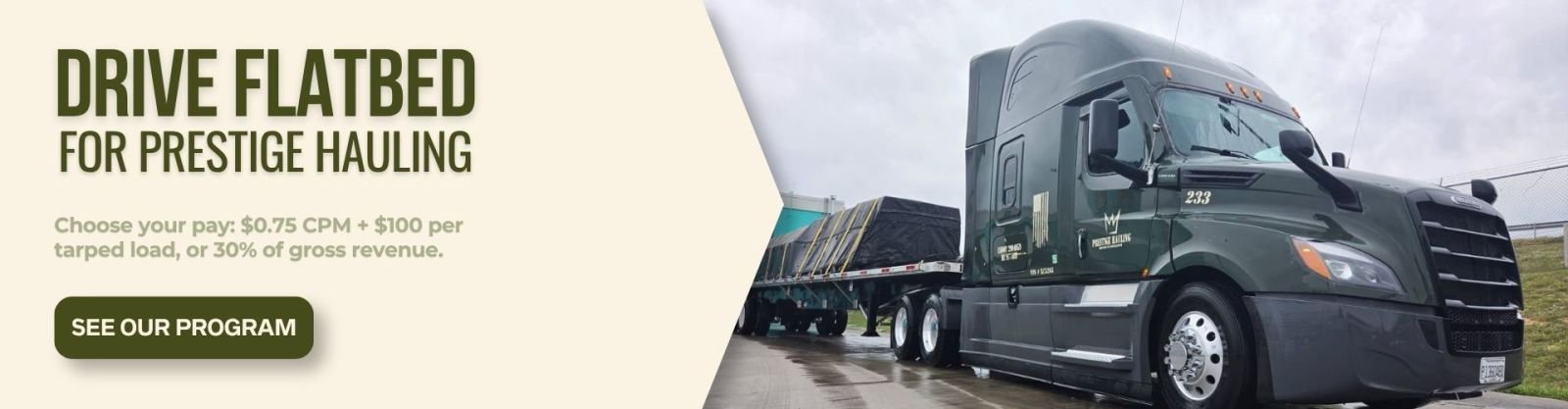
If flatbed trucking sounds like the right fit, Prestige Hauling is worth a closer look. Visit our website to explore driving opportunities and learn more about the company. If you are ready for a flatbed position that matches your experience and goals, contact the team to discuss the available options.